አማርኛ
- English
- Esperanto
- Afrikaans
- Català
- שפה עברית
- Cymraeg
- Galego
- Latviešu
- icelandic
- ייִדיש
- беларускі
- Hrvatski
- Kreyòl ayisyen
- Shqiptar
- Malti
- lugha ya Kiswahili
- አማርኛ
- Bosanski
- Frysk
- ភាសាខ្មែរ
- ქართული
- ગુજરાતી
- Hausa
- Кыргыз тили
- ಕನ್ನಡ
- Corsa
- Kurdî
- മലയാളം
- Maori
- Монгол хэл
- Hmong
- IsiXhosa
- Zulu
- Yoruba
- অসমীয়া
- ଓଡିଆ
- Punjabi
- پښتو
- Chichewa
- Samoa
- Sesotho
- සිංහල
- Gàidhlig
- Cebuano
- Somali
- Тоҷикӣ
- O'zbek
- Hawaiian
- سنڌي
- Shinra
- Հայերեն
- Igbo
- Sundanese
- Lëtzebuergesch
- Malagasy
- Español
- Português
- русский
- Français
- 日本語
- Deutsch
- tiếng Việt
- Italiano
- Nederlands
- ภาษาไทย
- Polski
- 한국어
- Svenska
- magyar
- Malay
- বাংলা ভাষার
- Dansk
- Suomi
- हिन्दी
- Pilipino
- Türkçe
- Gaeilge
- العربية
- Indonesia
- Norsk
- تمل
- český
- ελληνικά
- український
- Javanese
- فارسی
- தமிழ்
- తెలుగు
- नेपाली
- Burmese
- български
- ລາວ
- Latine
- Қазақша
- Euskal
- Azərbaycan
- Slovenský jazyk
- Македонски
- Lietuvos
- Eesti Keel
- Română
- Slovenski
- मराठी
- Srpski језик

የአረብ ብረት መዋቅር ንድፍ ምስጢሮች
የአረብ ብረት መዋቅር design is a comprehensive applied discipline integrating theoretical mechanics, mechanics of materials and structural mechanics. It takes mechanical principles as the foundation, mechanics of materials as the core basis, and structural mechanics as vital support, ultimately achieving the construction goals of steel structure projects including safety, reliability, economic rationality, durability, applicability and efficient construction.
I. መነሻ
The formation of modern steel structure design relies on two core foundations: the large‑scale application of steel and the improvement of the theoretical system of mechanics. The popularization of steel provides reliable engineering materials for structural construction, while the maturity of mechanical theories establishes scientific design criteria. Complementing and developing synergistically, the two lay the rudiment of modern steel structure design.
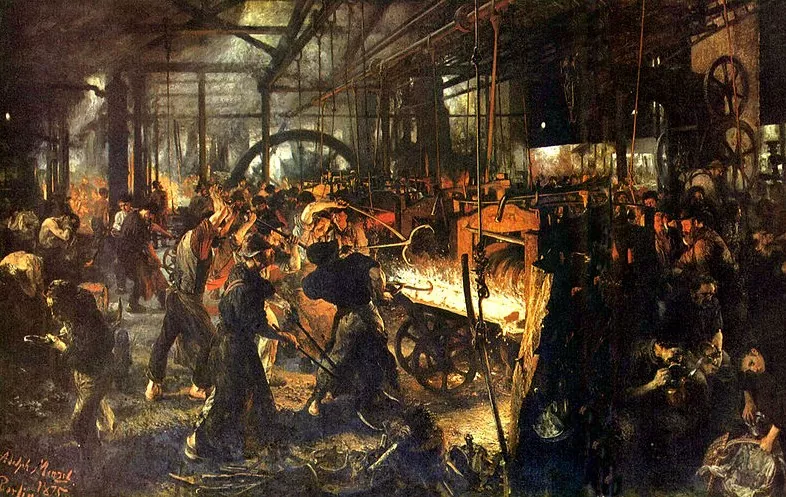
The Industrial Revolution boosted the industrial mass production of steel, breaking through the performance limitations of traditional building materials. On this basis, theoretical mechanics establishes force equilibrium criteria to ensure the overall stability and anti‑overturning performance of structures; mechanics of materials defines the requirements for component strength and stiffness to avoid risks such as fracture and excessive deformation of steel members; መዋቅራዊ ሜካኒክስ የአጠቃላይ መዋቅር አለመረጋጋትን እና ውድቀትን ለመከላከል ለስርዓት መረጋጋት የትንታኔ ዘዴዎችን ያመቻቻል።
In short, the core essence of steel structure design is to take steel as the structural carrier and mechanical theories as the design basis, so as to realize the organic integration of material properties and mechanical principles. It is also a typical example of the comprehensive application of multidisciplinary mechanical knowledge in engineering practice.
II. Theoretical Connection
የአረብ ብረት መዋቅር ንድፍ በተናጥል አይኖርም; instead, it is the final outcome derived from step‑by‑step deduction of the mechanical theoretical system and its application in engineering practice. As the fundamental basis of engineering design, theoretical mechanics serves as the primary principle that must be followed in steel structure design. Mechanics of materials defines the safety boundaries of steel structural members, providing solid theoretical support for steel property evaluation, member force analysis and strength verification. Structural mechanics safeguards the stability and safety of the overall structural system, offering scientific basis for structural form selection, overall internal force distribution and system stability checking. የሶስቱ የትምህርት ዓይነቶች የተቀናጀ እና አጠቃላይ አተገባበር በመጨረሻ የአረብ ብረት መዋቅር ዲዛይን ሙሉ አመክንዮ ይፈጥራል።
In practical engineering, የአረብ ብረት መዋቅርዲዛይኑ አንድ ነጠላ የሜካኒካል ቲዎሪ ቅርንጫፍ ለብቻው አይተገበርም። ይልቁንስ የተለያዩ የምህንድስና ችግሮችን ለመፍታት በሦስቱ የትምህርት ዓይነቶች መካከል ባለው ተመሳሳይነት ላይ የተመሠረተ ነው። Whether it is large‑scale key projects such as high‑rise steel‑structure buildings and long‑span steel bridges, or small steel structural components including steel‑structure canopies and bicycle frames, their entire design process is inseparable from the integrated support of theoretical mechanics, mechanics of materials and structural mechanics.
III. Practical Significance
የአረብ ብረት መዋቅር ንድፍ ዋና ይዘት በሳይንሳዊ ምርጫ እና በአረብ ብረት ቁሳቁሶች ምክንያታዊ አተገባበር ላይ ነው. The mechanical properties of steel directly determine the overall design approach, among which strength, toughness and yield limit are three key indicators for ensuring design safety. All steel structural components, including steel beams, steel columns, steel truss members and various connectors, conform to the four fundamental deformation laws in the field of mechanics of materials, which also lays an important foundation for the overall force analysis by structural mechanics.
The entire process of steel structure design takes the three major criteria of mechanics of materials—strength, stiffness and stability—as the core design basis. Meanwhile, it complies with the stability checking standards of structural mechanics for the overall structural system, so as to formulate feasible and implementable engineering design schemes. Different types of steel structural systems require corresponding analytical and computational methods from structural mechanics to adapt to differentiated application scenarios of various projects, thus forming mainstream structural forms such as truss structures, rigid‑frame structures, grid structures and composite structures.
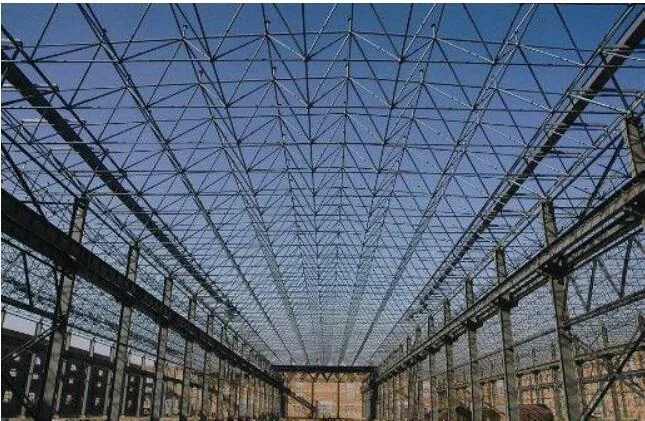
የአረብ ብረት መዋቅር design represents a wise practical achievement of humankind in transforming the objective world by relying on mechanical theories and combining the material properties of steel. The construction of various steel structure projects, ranging from super‑high‑rise buildings and long‑span cross‑sea bridges to industrial workshops and large‑scale cultural and sports venues, cannot be realized without the collaborative support of multiple mechanical disciplines, nor the scientific and rigorous overall planning of steel structure design.
ተዛማጅ ዜናዎች
- ለብረት ፍሬም የፈረስ ቋሚ ግንባታ ተገቢውን መጠን እንዴት መምረጥ ይቻላል?
- በቦታው ላይ የአረብ ብረት መዋቅር ስብስብ + የተቀናጀ የሆስቲንግ ኮንስትራክሽን የስራ ፍሰት + ቁልፍ ታሳቢዎች
- ለዘመናዊ ኑሮ ባለ ሁለት ንብርብር ፕሪፋብ ብረት ፍሬም ቤት ግንባታ ለምን ይምረጡ?
- የአረብ ብረት መዋቅር ፋብሪካ ሕንፃዎች ዲዛይን እና ግንባታ ዘጠኝ ቁልፍ ነጥቦች
- የአረብ ብረት መዋቅር የዶሮ ሼድ ግንባታ የዶሮ እርባታ አስተዳደርን እንዴት ማሻሻል ይችላል?
- "Locomotive-Style" የኢንዱስትሪ ህንፃዎች፡ ባለ 3 ፎቅ ቢሮ ብረት ወይም ኮንክሪት መሆን አለበት?
መልእክት ተውልኝ